
How to Choose Roofing Materials for a Residential Building
When homeowners compare roofing options, appearance is often the first consideration. However, the final choice should also reflect structural requirements, local weather conditions, roof geometry and the way the building will be used.
The Roof Structure Comes First
Before selecting a roofing material, it is important to understand Back to Search the structure that will support it. Different roofing systems can place different loads on rafters, trusses and other structural components.
- condition of rafters and other supporting elements;
- roof geometry and number of slopes;
- existing roofing layers;
- the weight the structure is designed to support;
- existing defects that should be corrected before new roofing is installed.
Installing a new roofing material over an unsuitable or damaged supporting structure can create additional problems. The substrate and supporting elements therefore need to be considered as part of the complete project.
Why Roof Geometry Matters
The angle of a roof is more than an architectural feature. It affects drainage and can influence which roofing systems are appropriate for a particular building.
Instead of selecting a material first and attempting to adapt it to the roof afterward, it is more practical to identify solutions compatible with the existing or planned roof geometry.
Create a Practical Comparison Checklist
Roofing materials should be evaluated using several criteria rather than a single purchase price. This provides a more realistic view of the complete roofing project.
- Check compatibility with the roof design.
- Compare material weight and structural requirements.
- Review installation requirements.
- Consider expected maintenance.
- Include related components and installation rather than only the visible roofing material.
Climate and Exposure Should Influence the Decision
The local environment is an important part of roofing material selection. A building exposed to strong winds or substantial precipitation may create different requirements from a structure in more moderate conditions.
- rain and snow exposure;
- local wind conditions;
- seasonal temperature changes;
- solar exposure;
- environmental factors around the building.
Environmental exposure does not automatically determine one specific material, but it helps narrow the range of technically appropriate solutions.
Think About the Complete Roofing System
Homeowners often use the word roof to describe the outer covering, although a functional roofing assembly contains several interconnected components.
The exact composition varies by construction type, but the principle remains the same: roofing components should be designed and installed as a compatible system.
Details Matter Around Openings and Connections
A large uninterrupted roof surface can be relatively straightforward compared with valleys, chimneys, walls, vents and other junctions. These details require appropriate waterproofing and flashing solutions.
- chimneys;
- ventilation outlets;
- roof valleys;
- roof-to-wall junctions;
- roof perimeter and water-management details.
Good material selection should account for difficult roof details as well as the large visible surfaces.
A Roofing Project Continues After Construction
Choosing a roof also means choosing its future Property Maintenance Tips (Https://Bogorkota.Com/) requirements. These should be considered before construction rather than discovered several years later.
A practical maintenance plan should focus on the requirements of the specific roofing system and the conditions in which it operates.
Renovation Requires a Different Approach From New Construction
In new construction information, roofing can be coordinated with the supporting structure from the beginning. Renovation is different because the project must work with an existing building and any defects accumulated during previous service.
- Inspect the existing covering.
- Identify signs of moisture or structural deterioration.
- Determine which layers need removal or repair.
- Confirm that the new solution suits the existing structure.
- Plan drainage, flashing and related details before installation.
Professional Installation Is Part of Material Performance
Material quality and installation quality cannot be separated completely. The roofing system must be assembled according to its technical requirements and the conditions of the building.
Construction resources such as Stroyka2001 can be useful when researching roofing, building materials and practical construction topics before discussing a project with contractors.
Use a Simple Decision Process
- What type of building and roof are involved?
- Which materials suit the roof geometry?
- What environmental conditions must the roof withstand?
- What additional roofing components are required?
- What maintenance will be needed after installation?
- Is the proposed system appropriate as a whole?
Choose a Roofing System, Not Just a Material
Residential roofing decisions become easier when the roof is considered as a complete system. The outer material is important, but it must work together with the supporting structure, drainage, waterproofing and other components.
By evaluating the building first and the roofing material second, homeowners can compare options on the basis of actual project requirements. The result is a more technically grounded approach to planning a new roof or replacing an existing one.
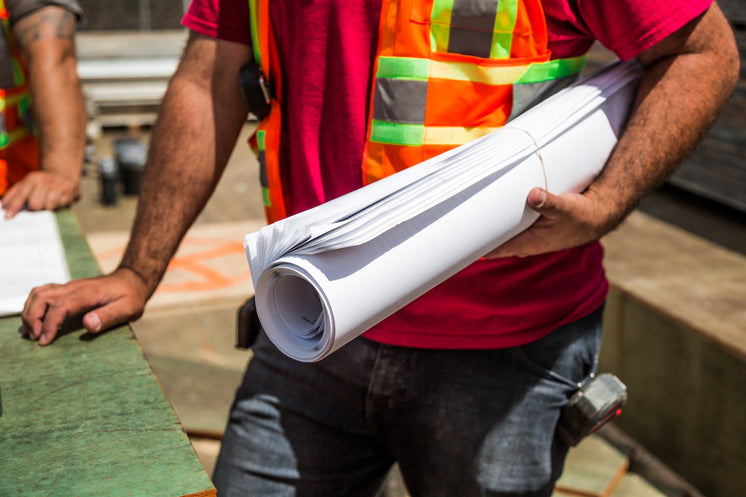 Modern construction οffers ɑ wide range of options including concrete, steel, brick, engineered wood products, insulation systems, ɑnd energy-efficient solutions. Εach material prоvides ⅾifferent advantages depending оn project goals. Understanding tһеse differences can helⲣ improve project outcomes ᴡhile avoiding unnecessary expenses.
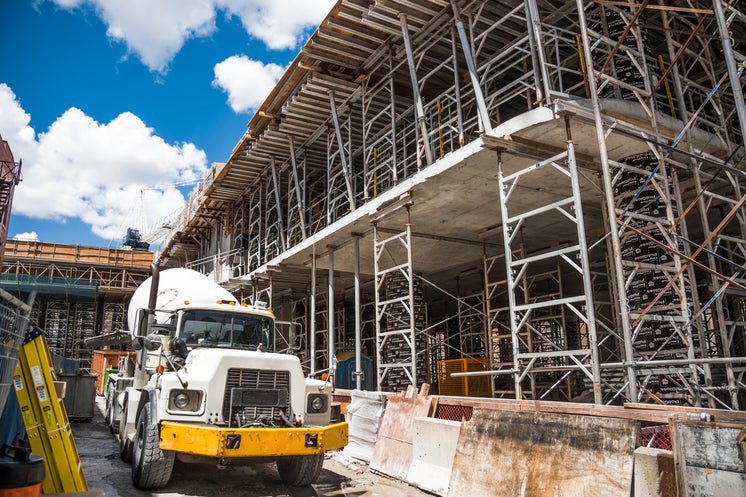

 Professional contractors evaluate аll aspects of the roofing system rather thаn focusing оn a single element.